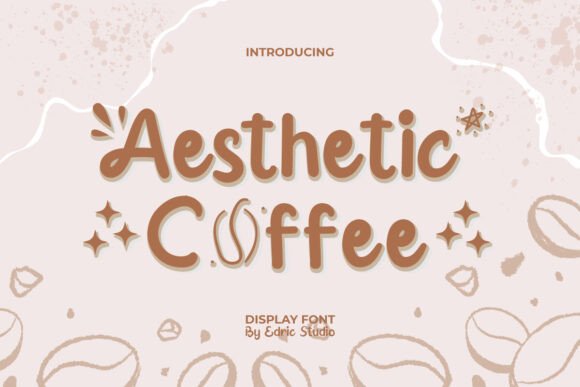
Aesthetic Coffee: Strategic Typography for Brand Positioning and Visual Communication
In the crowded landscape of digital and print media, typography is rarely just about legibility. It is a primary vehicle for brand personality, emotional resonance, and market positioning. Aesthetic Coffee, a playful decorative display font inspired by the artistry of coffee culture, represents more than a stylistic choice; it is a strategic asset for businesses aiming to convey warmth, creativity, and artisanal quality. When deployed with intention, this typeface can significantly enhance customer experience and reinforce brand identity across diverse industries.
Understanding how to leverage Aesthetic Coffee requires moving beyond superficial appreciation of its curves and loops. It demands a clear alignment between the font’s inherent characteristics—its organic flow, decorative flair, and inviting tone—and your broader business objectives. Whether you are running a boutique bakery, managing a lifestyle blog, or designing packaging for handmade pottery, the right typographic decisions can differentiate your brand from competitors who rely on generic, safe choices.
Defining the Strategic Value of Decorative Display Fonts
Display fonts like Aesthetic Coffee are designed to capture attention quickly. They are not intended for long-form body text but serve as powerful tools for headlines, logos, and short promotional messages. The strategic value lies in their ability to communicate complex brand attributes instantly. The name itself suggests an intersection of visual beauty and sensory pleasure, mirroring the experience of enjoying a well-crafted beverage.
For entrepreneurs and marketers, this means the font acts as a non-verbal ambassador. It signals that the brand values aesthetics, attention to detail, and a certain level of indulgence. This is particularly crucial in industries where perception drives purchasing decisions. If your goal is to position your product as premium yet accessible, or artistic yet functional, the playful nature of this font supports that narrative without appearing overly corporate or sterile.
Industry Applications and Contextual Relevance
The versatility of Aesthetic Coffee allows it to transcend the café environment. While its inspiration is rooted in coffee decoration, its application extends to any sector where creativity and human connection are central to the value proposition. Consider the following strategic applications:
- Bakery and Cake Shops: Here, the font mirrors the intricate icing designs and handcrafted nature of the products. Using it on packaging or menu boards reinforces the idea of homemade quality and artistic effort.
- Handicrafts and Pottery: Artisans often struggle to convey the tactile warmth of their work through digital channels. This font bridges that gap by offering a visual texture that feels organic and handmade, aligning with the ethos of slow consumption and craftsmanship.
- Event and Festival Promotion: For weddings, local markets, or cultural festivals, the font adds a celebratory and welcoming tone. It helps potential attendees visualize the atmosphere before they even arrive, reducing uncertainty and increasing engagement.
- Content Creation and Publishing: Bloggers and publishers focusing on lifestyle, travel, or food can use Aesthetic Coffee for section headers or pull quotes. This breaks up text visually and maintains reader interest, encouraging longer session durations on websites.
However, relevance is key. Using this font for a financial services firm or a legal consultancy would likely create cognitive dissonance, undermining trust rather than building it. Strategic typography requires matching the tool to the task and the audience’s expectations.
Planning Your Typographic Integration
Successful implementation of Aesthetic Coffee requires careful planning. Randomly inserting a decorative font into your design system can lead to visual clutter and reduced readability. Instead, approach its use with a structured framework:
- Audit Your Current Brand Assets: Evaluate your existing logo, website, and marketing materials. Identify where communication feels flat or disconnected from your brand’s core values. These are the prime candidates for introducing a distinctive typeface.
- Define the Hierarchy: Decide where Aesthetic Coffee will sit in your typographic hierarchy. It should primarily serve as a display element. Pair it with a clean, neutral sans-serif or serif font for body text to ensure balance and readability. This contrast highlights the decorative nature of the font while maintaining professional standards.
- Test Across Mediums: A font that looks excellent on a high-resolution screen may lose detail in small print or on textured materials. Test samples on actual business cards, packaging labels, and social media thumbnails to ensure versatility and clarity.
By treating typography as a component of your overall operational strategy, you ensure consistency. Consistency builds recognition, and recognition drives loyalty. When customers see the same thoughtful design elements across your café menu, your Instagram posts, and your product packaging, they begin to associate those visuals with reliability and quality.
Risks of Unintentional Design Choices
While Aesthetic Coffee offers significant benefits, relying on it without clear goals carries risks. The most common pitfall is overuse. Decorative fonts demand space and attention. If used excessively, they can overwhelm the viewer, making the message difficult to decode. This friction can lead to higher bounce rates on websites or lower conversion rates in advertising campaigns.
Another risk is misalignment with brand maturity. Startups often lean heavily on trendy aesthetics to gain visibility. However, as a business scales, its communication needs may shift toward clarity and authority. If Aesthetic Coffee becomes too associated with a fleeting trend rather than a timeless brand value, it may require a costly rebrand later. Therefore, consider whether the font supports your long-term vision or merely addresses a short-term tactical need.
Furthermore, accessibility must remain a priority. Decorative fonts can be challenging for individuals with visual impairments or dyslexia. Ensuring that critical information is never solely dependent on this font is a legal and ethical imperative. Always provide alternative text formats and maintain high contrast ratios in your designs.
Enhancing Customer Experience Through Visual Storytelling
Ultimately, the goal of using Aesthetic Coffee is to enhance the customer experience. In today’s experience economy, consumers are not just buying products; they are buying into narratives and lifestyles. The playful, artistic nature of this font invites customers into a story of enjoyment and creativity.
For example, a café using this font on its window signage creates an immediate invitation. It suggests that the space inside is not just a place to consume caffeine, but a place to pause, appreciate beauty, and connect with others. Similarly, a handicraft seller using the font on Etsy banners communicates that each item is made with care and artistic intent, justifying a higher price point and fostering deeper customer relationships.
This emotional connection is difficult to quantify but essential for long-term success. It transforms transactional interactions into relational ones. When customers feel aligned with your brand’s aesthetic values, they become advocates, sharing your content and recommending your services within their networks.
Making Informed Decisions for Long-Term Results
Choosing a typeface is a decision that impacts every touchpoint of your business. Aesthetic Coffee provides a unique opportunity to infuse your brand with personality and warmth. However, its effectiveness depends entirely on the strategic context in which it is applied. By understanding its strengths, limitations, and ideal use cases, you can make informed decisions that support your broader business goals.
Focus on integration rather than isolation. Let the font complement your other design elements, reinforcing a cohesive brand identity. Monitor performance metrics such as engagement rates, customer feedback, and sales conversions to assess the impact of your typographic choices. Be willing to iterate and refine your approach based on data and evolving market trends.
In conclusion, Aesthetic Coffee is more than a decorative tool; it is a strategic instrument for communication. When used with purpose and precision, it can elevate your brand, engage your audience, and contribute to sustainable business growth. Approach your typography with the same care and craftsmanship you apply to your products or services, and the results will reflect that commitment.